
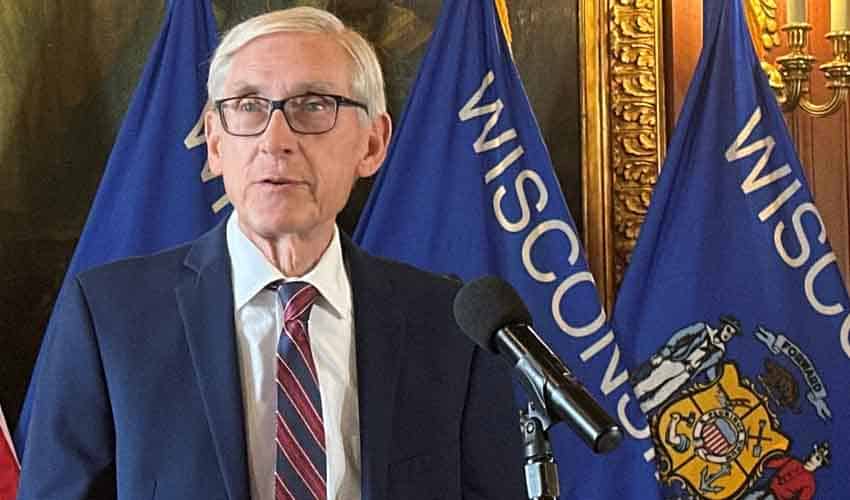
Wisconsin has officially taken a major step into the future of legal wagering. Gov. Tony Evers has signed legislation legalizing domestic online sports betting in the state, provided the wagers are processed through servers located on Tribal lands.
The move makes Wisconsin the 33rd state to legalize online sports betting and marks one of the most significant gambling policy changes in the state in years.
However, the launch will not happen overnight. The government and the state’s 11 federally recognized Tribes must renegotiate gaming compacts and determine how the new market will operate.
How Wisconsin’s Online Sports Betting Law Works
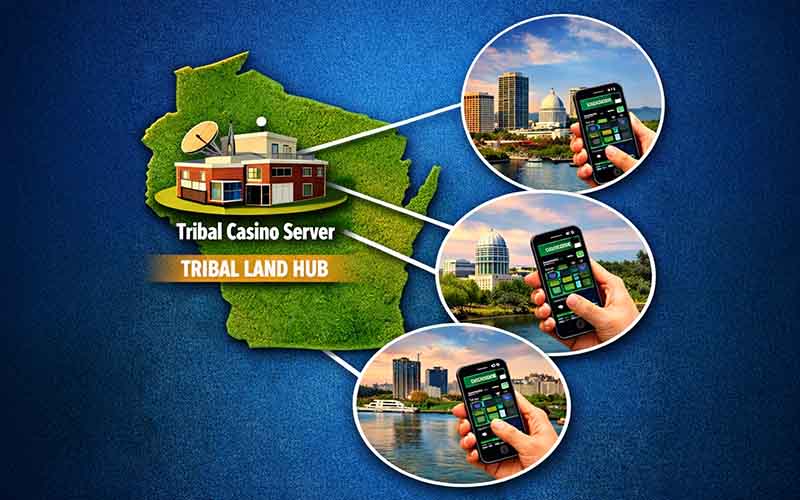
The new legislation changes Wisconsin’s legal definition of a bet by creating an exception for wagers made on a mobile phone or electronic device by someone physically located within state borders, as long as the server processing that wager is based on in-state Tribal land. In practice, that means online sports betting will be legal statewide, but only through a Tribal framework.
This is an important distinction. The law keeps Tribal Nations at the center of regulation, operations, and economic benefit. Currently, sports betting in Wisconsin is limited to select Tribal casinos. The new law expands that framework into the mobile space, but still preserves Tribal control over the market.
Why Gov. Evers Stressed Equity Among Wisconsin Tribes
One of the most notable elements of the governor’s remarks was his insistence that online sports betting must not deepen disparities among Tribal Nations. Evers described the bill as the beginning of a conversation rather than the end. The implementation phase will determine whether the new opportunity is shared fairly.
That message matters because not every Tribe begins from the same economic position or with the same gaming footprint. A mobile betting market could produce substantial new revenue, but only if the structure allows broad participation. Evers has signaled support for a joint venture that would let all 11 Tribes contribute and benefit more equally.
Supporters argue this could strengthen Tribal economies, create new funding for education and workforce opportunities, and keep gaming dollars local rather than sending them to offshore sportsbooks, prediction markets, or neighboring states like Illinois.
The Florida Model and Why It Matters in Wisconsin
The new legislation will install a “hub-and-spoke” system. In this model, the “hub” is the server on Tribal land, while the “spokes” are bettors located throughout the state.
This is essentially the same legal and operational concept that has shaped sports betting in Florida, where the Seminole Tribe’s system depends on bets being deemed to occur where the server is located.
For Wisconsin, that similarity is more than just technical. It provides a tested legal framework for expanding mobile wagering without abandoning the Tribal compact structure that already governs gaming in the state.
The Florida comparison also shows why national sportsbook companies have been resistant. Large domestic operators oppose the approach in both states because it does not create an open commercial market.
Instead, it channels control through Tribal entities and, under federal gaming rules, requires a significant share of gaming revenue to flow back to the Tribes.
That may limit outside operator interest, but it also reinforces Tribal sovereignty while modernizing Wisconsin’s betting landscape.
What Happens Next for Wisconsin Online Sports Betting
Despite the bill’s signature into law, mobile sportsbooks will not go live immediately. The next stage involves compact negotiations, regulatory planning, and federal approvals. That process could take months, and potentially longer, depending on how quickly the Tribes and the state reach consensus.
There are also broader policy questions ahead. Supporters say legalization will create consumer protections, bring betting activity into a regulated environment, and generate new tax revenue. Critics, meanwhile, warn that easier access to sports betting could worsen gambling addiction and other social harms.
- Sources – WKOW | JSOnline | CBS News
- Recommended Reading: SportsBetting.Legal Guide To Mobile Sportsbook Apps