For years, the professional and collegiate sports worlds played a dangerous game of “footsie” with the gambling industry. The promise was simple: legalization would bring transparency, regulation, and a massive influx of revenue. But as the dust settles in 2026, it’s becoming clear that the house isn’t the only one winning.
The integrity of the game, the very idea that what we see on the court or field is a pure competition, is currently under siege. From seasoned NBA veterans to college stars still finding their footing, a series of high-profile scandals has forced fans to ask a chilling question: Is the final score the result of talent, or a pre-written script sold to the highest bidder?
The Damon Jones Insider Trading Scheme
Perhaps the most damaging blow to the NBA’s reputation came with the recent guilty plea of former player and coach Damon Jones. While many fans remember Jones for his sharpshooting on the court, his latest “assist” was far more sinister. Jones admitted in federal court to selling non-public information to a sophisticated ring of gamblers.
This wasn’t just casual locker room gossip. Jones provided “insider info,” granular details regarding player health, late-minute lineup changes, and specific coaching strategies, before they were made public.
In sports betting, where a half-point shift in the spread can mean millions, this information is gold. Jones’ admission underscores a terrifying vulnerability. When those within the inner circle become informants, the league’s “fair play” becomes a facade. It wasn’t just a breach of contract; it was a fundamental betrayal of the sport’s ecosystem.
Terry Rozier and the Prop Bet Shadow
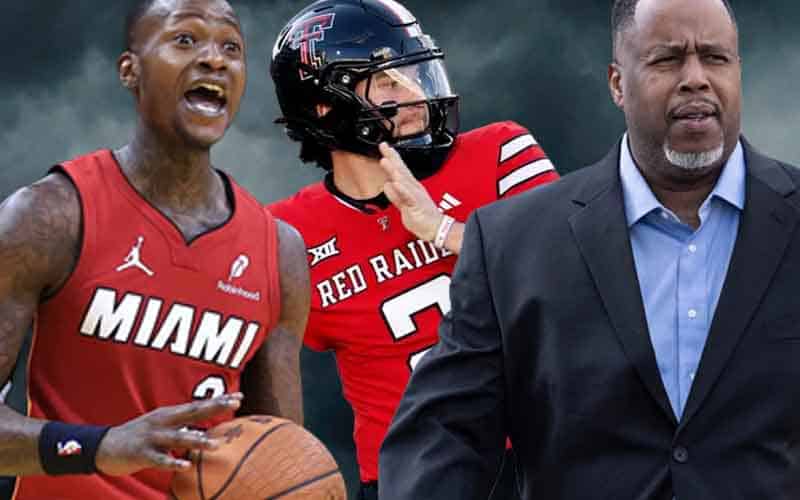
Adding to the NBA’s headache is the case surrounding Terry Rozier, who was arrested in 2025 as part of a federal gambling investigation tied to alleged prop-betting manipulation. Prosecutors allege Rozier shared inside information that he planned to leave a March 2023 Hornets game early, allowing associates to place “under” bets on his individual statistics before he exited after limited playing time. Rozier has denied wrongdoing through his attorney.
The allegation cuts to the heart of the modern betting era. Fans no longer bet only on who wins; they can wager on points, rebounds, assists, minutes played, or whether a player clears a statistical threshold. That granularity creates a new integrity risk: an athlete may not need to throw a game to affect a bet—he may only need to influence one narrow performance category.
The Rozier case has highlighted how difficult these situations are for leagues to police. It is one thing to detect a suspicious final score; it is another to determine whether a player’s early exit, missed shot, or reduced output was legitimate—or connected to nonpublic information used by bettors.
Brendan Sorsby and the Vulnerability of the NCAA
The gambling issue is not limited to the pros. Texas Tech quarterback Brendan Sorsby is reportedly under NCAA investigation after allegedly placing thousands of online sports bets during his college career, including bets connected to Indiana, where he previously played, though reports say he did not place college football bets on games in which he participated. Sorsby has entered residential treatment for a gambling addiction.
Unlike professional athletes with long-term contracts and union protections, college players are often younger, more exposed, and still navigating sudden access to NIL money. The Sorsby situation does not appear to involve proven game-fixing, but it shows how easily gambling can collide with college athletics once athletes have money, visibility, betting apps, and constant access to wagering markets.
In the NIL era, the line between opportunity and vulnerability has become harder to manage. Sorsby’s case is a warning for the NCAA: the gambling threat is not only about outsiders bribing players. It is also about athletes themselves being pulled into betting behavior that can jeopardize eligibility, careers, and the credibility of the games they play.
A Final Word: The Integrity Tax
We are living through the “Integrity Tax” of the sports betting boom. We traded the sanctity of the box score for the convenience of a smartphone app and a parlay bonus. While the NBA and NCAA are scrambling to increase monitoring and implement harsher penalties, the damage to the fans’ psyches is harder to repair.
The “wit” of the situation is that the sportsbooks are usually the ones alerting the leagues to these scandals. The house hates a cheater even more than the fans do, but only because it hurts their bottom line. Moving forward, the question isn’t whether betting will stay, it’s here to stay, but whether the games can survive the people who play them.
Sources: NBC News | Bloomberg | Yahoo! Sports | Slate | ESPN