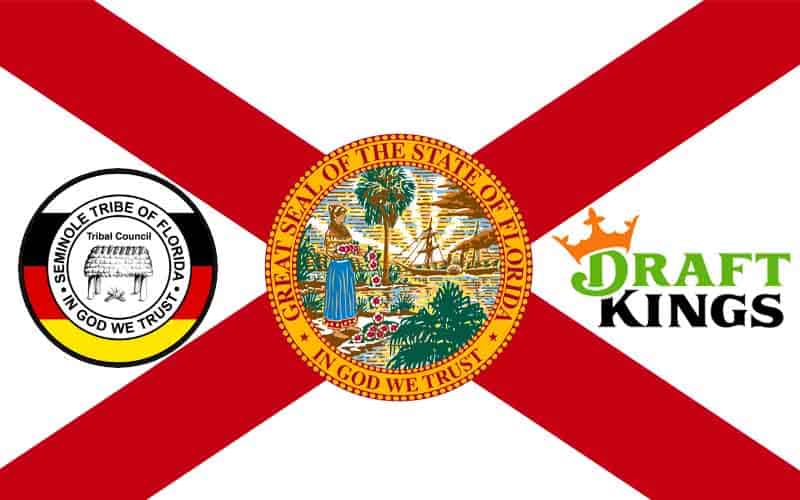
The battle over sports betting in Florida has intensified after the Seminole Tribe filed a lawsuit against DraftKings, accusing the gambling giant of operating an unauthorized sportsbook within the state. The legal action, filed October 8, 2026, in Broward County Circuit Court, challenges the company’s prediction markets and fantasy sports products, which the Tribe claims violate its exclusive gaming agreement with Florida.
The lawsuit represents another significant development in Florida’s complicated sports gambling industry, where the Seminole Tribe maintains exclusive rights to state-regulated sports wagering through Hard Rock Bet. As prediction markets expand nationally and companies like DraftKings look for ways to reach more customers, the outcome could have implications well beyond the Sunshine State.
Why Is The Seminole Tribe Suing DraftKings?
At the center of the 72-page complaint is Florida’s 2021 gaming compact, which gives the Seminole Tribe exclusive rights to operate sports betting in Florida in exchange for substantial payments to the state. The agreement, negotiated with Governor Ron DeSantis and approved by state lawmakers, established the framework for the Tribe’s control of Florida’s regulated sports wagering market.
The Tribe alleges that DraftKings is circumventing those restrictions through its DraftKings Predictions platform and Pick6 fantasy sports product. According to the complaint, these offerings function similarly to conventional sports wagers despite being marketed under different classifications.
The lawsuit names DraftKings CEO Jason Robins and seeks an injunction preventing the company from continuing the disputed operations. The Tribe is also requesting financial damages and the return of profits allegedly generated through unauthorized Florida betting activities.
How Is DraftKings Defending Its Florida Operations?
DraftKings maintains that its prediction markets operate within federal law and should not be classified as traditional sports betting. The company argues that event contracts fall under the Commodity Exchange Act and the Commodity Futures Trading Commission’s regulatory authority, not Florida’s gambling framework.
DraftKings also disputes the characterization of its Pick6 product, describing it as a peer-to-peer fantasy sports contest based on individual athlete performances. The company has expressed confidence in its legal position while acknowledging the Seminole Tribe’s sovereignty.
This distinction between sports wagering and financial event contracts has become increasingly important as prediction market platforms such as Kalshi and Polymarket expand their offerings. Whether these products constitute gambling or federally regulated trading remains a central question facing courts and lawmakers.
What Does The Lawsuit Mean For Florida Sports Betting?
Florida’s sports betting monopoly has significant financial implications for both the Seminole Tribe and the state government. During the fiscal year ending June 30, 2026, Florida received about $1.04 billion in sports betting revenue through its tribal gaming compact, underscoring the substantial revenue the arrangement generates.
Governor Ron DeSantis has acknowledged the Tribe’s exclusive agreement but suggested that disagreements over prediction markets could ultimately require federal court decisions or congressional intervention. A ruling against DraftKings could strengthen the existing regulatory structure, while a favorable outcome for the company might create opportunities for other prediction market operators.
For Florida bettors, the dispute also highlights the limitations of a single-operator state market. Unlike states where multiple licensed sportsbooks compete through promotional offers and changing betting lines, Florida’s domestic sports wagering system provides considerably fewer opportunities to compare operators.
Could Offshore Sportsbooks Offer Florida Bettors More Choices?
The ongoing legal battle also draws attention to offshore sportsbooks, which offer bettors an alternative for more competitive betting environments. Established international bookmakers can offer broader sportsbook selections, competitive odds, cryptocurrency banking, and promotional opportunities unavailable through Florida’s single-operator domestic system.
Reputable offshore sportsbooks may hold gambling licenses issued by authorities in their operating jurisdictions, allowing them to provide services under international regulatory frameworks. These platforms can be particularly attractive to experienced bettors who want to compare NFL, NBA, MLB, and college football odds across multiple bookmakers rather than rely on a single domestic provider.
Although offshore licensing does not authorize these platforms in Florida, and consumer protections vary by jurisdiction, international sportsbooks remain an option worth evaluating for eligible customers. As the Seminole Tribe and DraftKings continue their courtroom dispute, competition, betting choice, and access to alternative wagering platforms will remain important considerations for Florida sports fans.
WUSF | NBC Miami | Fox 13 News